How to Lower Chargeback Ratio and Protect Your Merchant Account
Introduction: The Most Dangerous Number in Payments
For a Head of Payments, the chargeback ratio is not a vanity metric; it is the heartbeat of your processing infrastructure. If it stops, the business stops. In the high-stakes environment of 2025, the margin for error has evaporated. The “Red Zone” thresholds are rigid and unforgiving: 0.9% for Visa and 1.0% for Mastercard.
Breaching these numbers does not merely invite a stern email. It triggers an automated, punitive escalation ladder. It begins with “Early Warning” notifications, quickly compounding into non-negotiable fines ranging from €25 to €100 per dispute. If the ratio remains uncured, you are forcibly enrolled in monitoring programs like Visa’s VAMP (formerly VDMP) or Mastercard’s ECP (Excessive Chargeback Program). The final rung of this ladder is the MATCH list (TMF)—a global industry blacklist that effectively bars you from opening a merchant account for five years.
Crucially, the 2025 updates to Visa’s VAMP framework have lowered the acquirer’s own liability threshold to just 0.5%. This means your banking partner is now under immense pressure to de-risk your portfolio long before you hit the official card scheme limits. This guide is your crisis management protocol for keeping that number green and protecting your lower chargeback ratio from becoming a terminal diagnosis.
The Math: Numerator vs. Denominator Strategies
Managing your standing with Visa and Mastercard is ultimately a game of fractions. The formula is deceptively simple: your total Chargeback Count divided by your total Transaction Count. While most risk teams obsess exclusively over the numerator—trying to stop disputes after they occur—the fastest way to pull a MID back from the cliff edge is often manipulating the denominator.
This strategy is known as ratio dilution. If your account is trending toward the 0.9% threshold, you cannot wait for lengthy dispute cycles to resolve. You must immediately inject clean, low-risk transaction volume into the pool. Strategic CFOs often authorize aggressive, low-ticket marketing campaigns—such as reactivation offers for verified VIPs—specifically to flood the denominator with safe transactions. The math is absolute: if you have 10 disputes on 1,000 sales (1.0%), generating another 1,000 clean sales mathematically forces your metric down to 0.5%.
This denominator management is often the most immediate lever available to lower chargeback ratio metrics during a crisis. However, a critical warning applies: this volume must be genuine commercial activity. Attempting to artificially inflate the denominator with micro-transactions or “cycling” own-funds constitutes transaction laundering, a violation carrying penalties far severer than a high ratio.
Fixing the Numerator: Aggressive Refund Policies
In the calculus of high-risk processing, the most expensive error a merchant can make is valuing revenue over the MID. The strategic imperative to lower chargeback ratio metrics dictates a simple, brutal rule: a refund is always cheaper than a dispute. While a refund represents lost revenue, a chargeback represents lost revenue plus punitive fines, administrative overhead, and, critically, a strike against your standing with the card scheme.
To enforce this, sophisticated operators deploy automated refunds as a defensive firewall. The industry standard is Verifi’s Rapid Dispute Resolution (RDR). This tool resides at the issuer level, allowing you to define rigid logic—such as “automatically refund all fraud claims under €50.” When a cardholder initiates a dispute meeting these criteria, the system triggers an instant credit. The result is a resolved customer and, crucially, a dispute that never registers on your Visa ratio. By utilizing such chargeback prevention tools, you effectively cap your downside risk. As detailed in A Merchant’s Guide to Chargeback Mitigation and Prevention, treating refunds as a cost of insurance rather than a loss of sales is the quickest way to stabilize a volatile numerator.
The Root Cause: Friendly Fraud vs. Merchant Error
To effectively lower chargeback ratio metrics, you must bifurcate the problem. Disputes stem from two distinct sources: Merchant Error and friendly fraud. Merchant Error is an internal operational failure—a double charge, a failed delivery, or a misleading subscription term. These are self-inflicted wounds that require process correction.
However, in high-risk verticals, the dominant threat is friendly fraud, which accounted for nearly 75% of all chargebacks in 2024. While some of this is malicious “cyber-shoplifting,” a significant portion is driven by simple cognitive dissonance: the cardholder does not recognize the transaction. The primary culprit is often an obscure or generic billing descriptor (e.g., “Payment Services Ltd”) appearing on the bank statement instead of the consumer-facing brand.
The fix is immediate alignment. Your billing descriptor must match your website domain or trading name exactly, accompanied by a dedicated support number. Eliminating this ambiguity removes the “unrecognized transaction” trigger. Ensuring these dynamic descriptors are passed correctly through the banking rails is a core function of a robust infrastructure; as detailed in What is a TIER 1 Payment Gateway and Why It Matters for High-Risk, using a direct Tier 1 connection ensures that this critical data is never lost in transmission, effectively neutralizing customer confusion before it becomes a dispute.
Operational Defense: Customer Service as a Firewall
Your Customer Service team is not a cost center; it is the primary firewall between a frustrated user and a banking dispute. In high-risk subscription models, the path of least resistance determines the outcome. If a user cannot locate a “Cancel” button within two clicks, they will not persist; they will simply call their issuing bank to block the merchant. This action transforms a standard churn event into a damaging chargeback.
Consequently, obscuring subscription cancellation flows—often termed “dark patterns”—is a strategic error. Visa’s updated rules explicitly mandate that unsubscribing must be as easy as subscribing. Violating this principle is the fastest way to land in the Visa Acquirer Monitoring Program. To effectively lower chargeback ratio volatility, you must invert this logic: place the cancellation link prominently and ensure customer support is accessible 24/7 via live chat. If you make it easy to leave, you remove the necessity for the customer to involve their bank, preserving your MID for the revenue that actually stays.
Conclusion: Vigilance is the Price of Survival
In the current regulatory climate, maintaining a stable merchant account requires a posture of constant, active defense. You cannot wait for the monthly statement to check your standing. The strategy to lower chargeback ratio metrics is threefold: monitor your dispute intake daily, deploy aggressive automated refunds to intercept threats, and strategically dilute your ratio with clean volume during crisis periods.
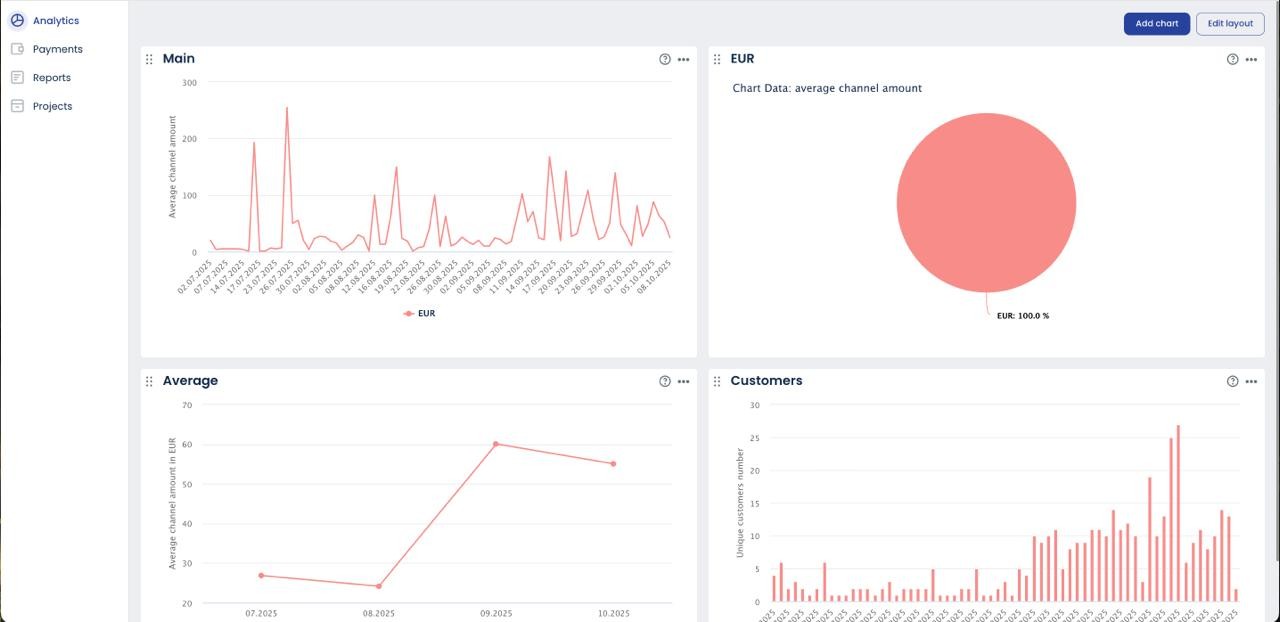
This vigilance is the price of survival. Operational blindness is the primary cause of account termination. Do not rely on lagged acquirer reports. Partner with Sola to access real-time monitoring through our integrated dashboard, giving you the visibility to spot and neutralize ratio spikes before they ever trigger a card scheme alert. Contact us to fortify your merchant account protection today.